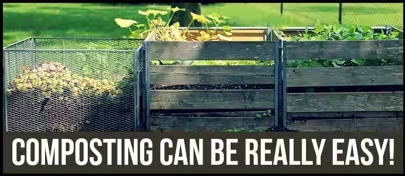
Food Waste Reduction, Food Waste Recycling, and Composting
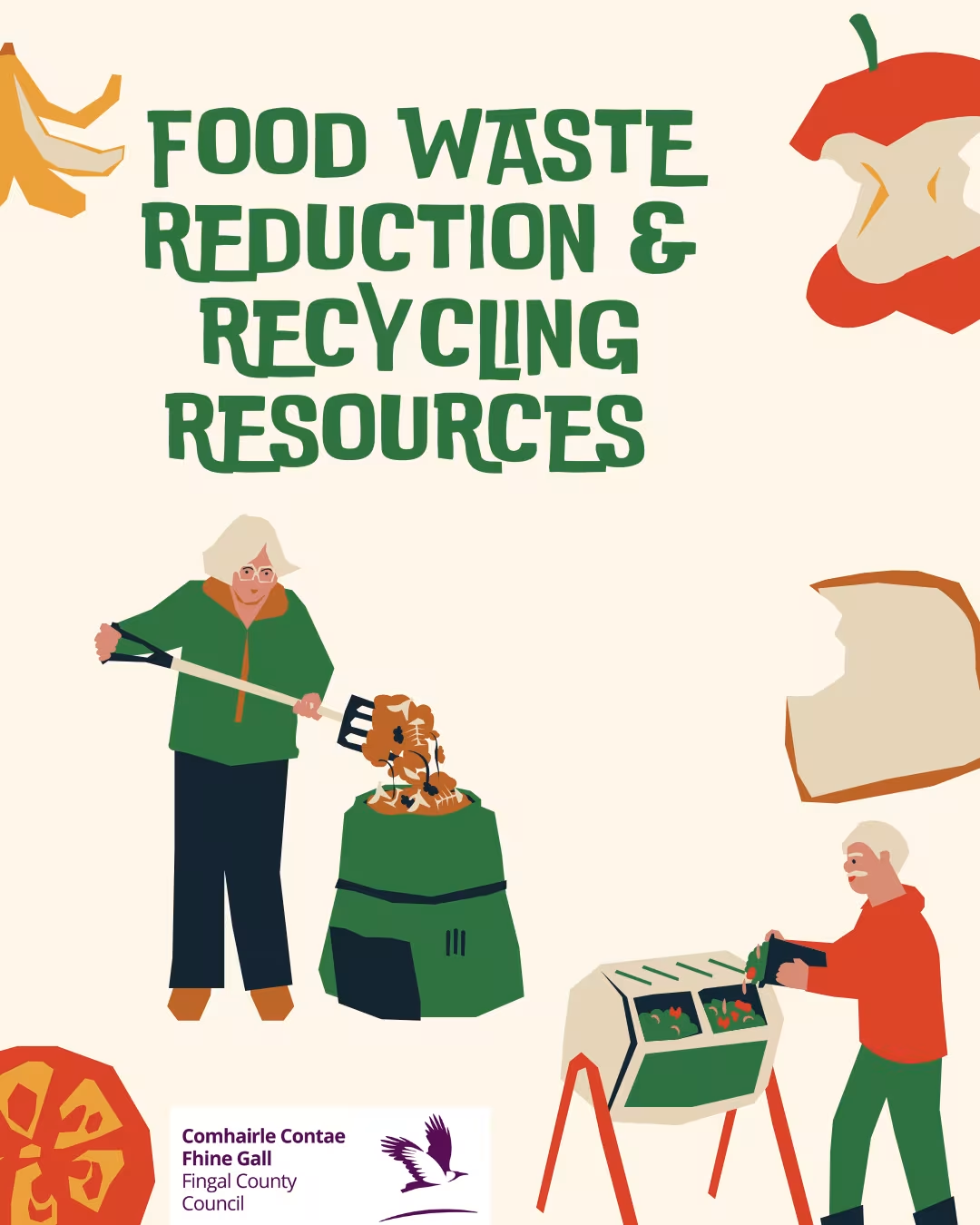
Why Food Waste Matters
Food waste is one of the most significant environmental challenges facing us today. Globally, approximately one-third of all food produced for human consumption is lost or wasted every year. When food is thrown away, we waste not only the food itself but also all the resources used to grow, process, transport, refrigerate, and prepare it.
Food production requires enormous amounts of water, energy, land, labour, and packaging. When food ends up in the bin, these valuable resources are wasted too. Food waste also contributes to climate change, generating greenhouse gas emissions throughout the supply chain and when discarded food decomposes.
Reducing food waste is one of the simplest and most effective actions households can take to lower their environmental impact, save money, and help build a more sustainable future.
Food Waste Prevention: Stop Waste Before It Starts
The best way to manage food waste is to prevent it from being created in the first place.
Simple Ways to Reduce Food Waste at Home
- Plan meals before shopping.
- Make a shopping list and stick to it.
- Check cupboards, fridge, and freezer before buying more food.
- Store food correctly to keep it fresher for longer.
- Understand date labels such as "Use By" and "Best Before".
- Freeze food before it spoils.
- Use leftovers creatively for lunches and dinners.
- Serve appropriate portion sizes to avoid unnecessary waste.
Reducing food waste doesn't just help the environment; it can also save households hundreds of euro each year. The Environmental Protection Agency (EPA) has wonderful Stop Food Waste resources online which can be found here and a handy Stop Food Waste Pocket guide that can be downloaded here.

Food Waste Recycling
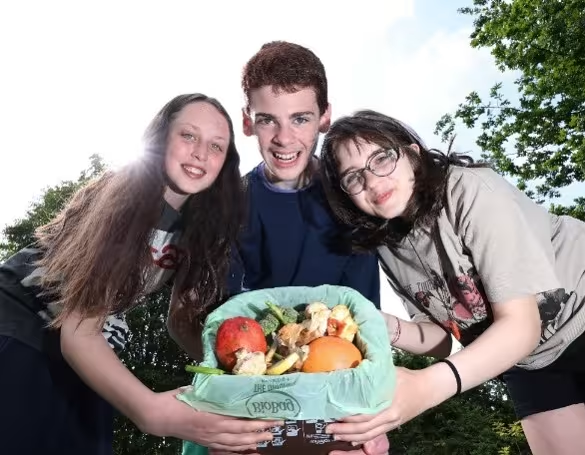
Even with the best planning, some food waste is unavoidable. That's why food waste recycling is such an important part of Ireland's journey to a greener, more circular economy.
Easy-to-follow hints and tips to help everyone recycle more food waste can be found on the My Waste website here.
Separating Food Waste is a Powerful Climate Action
Every time you place food scraps in your brown bin or kitchen caddy instead of the general waste bin, you're helping to reduce greenhouse gas emissions and recover valuable resources.
Why Does Food Waste Recycling Matter?
When food waste is sent to landfill, it breaks down and can release methane, a greenhouse gas that is significantly more powerful than carbon dioxide in trapping heat in the atmosphere.
By recycling food waste, we can:
- Reduce greenhouse gas emissions.
- Divert waste from landfill.
- Generate renewable energy.
- Produce nutrient-rich compost and fertilisers.
- Contribute to a more circular economy.
Every tonne of food waste recycled instead of landfilled can prevent around half a tonne of carbon dioxide emissions from entering the atmosphere.
What Can I Do?
Recycling food waste at home is easy. A kitchen caddy lined with a certified compostable liner provides a simple and convenient way to collect food scraps. Once full, the contents can be emptied into your brown bin for collection.
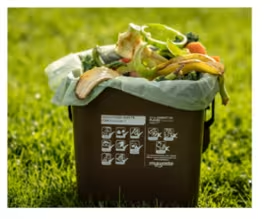
What Can Go Into Your Food Waste Bin?
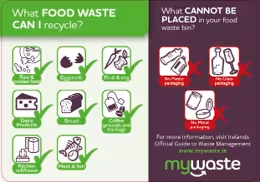
✅ Raw & cooked food
✅ Eggshells
✅ Fruit & veg
✅ Dairy products
✅ Bread
✅ Coffee grounds and tea bags
✅ Kitchen roll
✅ Meat & fish
Remember: always remove packaging before placing food in your caddy or brown bin.
What Happens to My Food Waste?
Food waste collected from homes and businesses is processed through one of two environmentally beneficial systems:
Composting
Food waste is combined with garden waste and naturally broken down into nutrient-rich compost. This compost can help improve soil quality and support plant growth.
Anaerobic Digestion
Food waste is broken down by naturally occurring microorganisms in an oxygen-free environment. This process produces biogas, a renewable energy source that can be used to generate electricity and heat. It also produces a nutrient-rich digestate that can be used as a fertiliser.
Home composting
Information for those who want to home compost and for those who currently do not have access to a food waste collection service can be found on the My Waste website here.