
Blas Fingal's Food Heritage
In Fingal we have strong tradition of horticultural, farming and fishing. Our food heritage encompasses everything from grandparent’s recipes, cooking and utensils, traditional ways of farming and fishing, to folklore, the famine, and fieldnames.
BLAS, Fingal’s Food Heritage project will explore, record and share traditions, attitudes, beliefs, and practices that surround how we produce and consume food and introduce different food traditions to new audiences.
As part of the project, we’re gathering food memories, photos, and recipes from the community to share on a digital Storymap celebrating food heritage as part of our social history.
Visit the Blas Storymap at https://storymaps.arcgis.com/stories/7bdfb82673904a2293793710bdbd0402
If you have something to add please contact us at [email protected]
Fingal Food-Oral Heritage project
Fingal has an extraordinarily rich history of food production and processing and food culture, stretching back millennia However, this way of life is fast disappearing. The oral heritage project aims of record the memories and voices of those who remember a way of life-from farmers and market gardeners to the egg women and foragers.
We are hoping to speak to a wide range of people who have stories about the following categories:
- Farmers and small producers in the areas of market gardening, crop production, and other forms of agriculture, including animal husbandry and dairy.
- Seasonal, including casual and migratory, or nomadic workers in the food industry, including people with experience of gathering crops such as potatoes and other root vegetables, fruit, etc.
- Those involved in direct sales or wholesale business, including greengrocers and market vendors.
- Those involved in food processing, such as milling, small scale food businesses (for example, home-based baking or catering businesses).
- Those involved in poultry businesses, including egg production and sales.
- Those directly involved in exportation of food products.
- Families with a history of fishing and selling fish and other products relating to the sea.
- Families with a history of hunting or snaring rabbits for their own consumption or for sale.
- Families with a knowledge of foraging wild fruits and other wild edibles, either for personal consumption or for sale.
- Those directly involved in the transportation of foods to and from markets.
Over the next couple of months, we plan to carry out recorded interviews as we start working on an important collection of oral histories relating to this area and its fascinating history in this sector.
If you are interested in participating in this project, or would like to recommend someone you know, please get in touch at foo%64herit%[email protected] " rel="nofollow"> [email protected] to provide your contact details. Our lead researcher, Dr Deirdre Nuttall, will contact you to arrange an interview.
Teacher Resources for Primary School
Primary school teachers in Fingal are invited to take part in the Blas project by using the Blas lesson plans to explore our strong local traditions of horticultural, farming and all things food related. The lesson plans include curriculum links, learning outcomes, a teacher’s guide, pupil activity sheets, photos, video and audio resources for use in class
The ‘Big House’
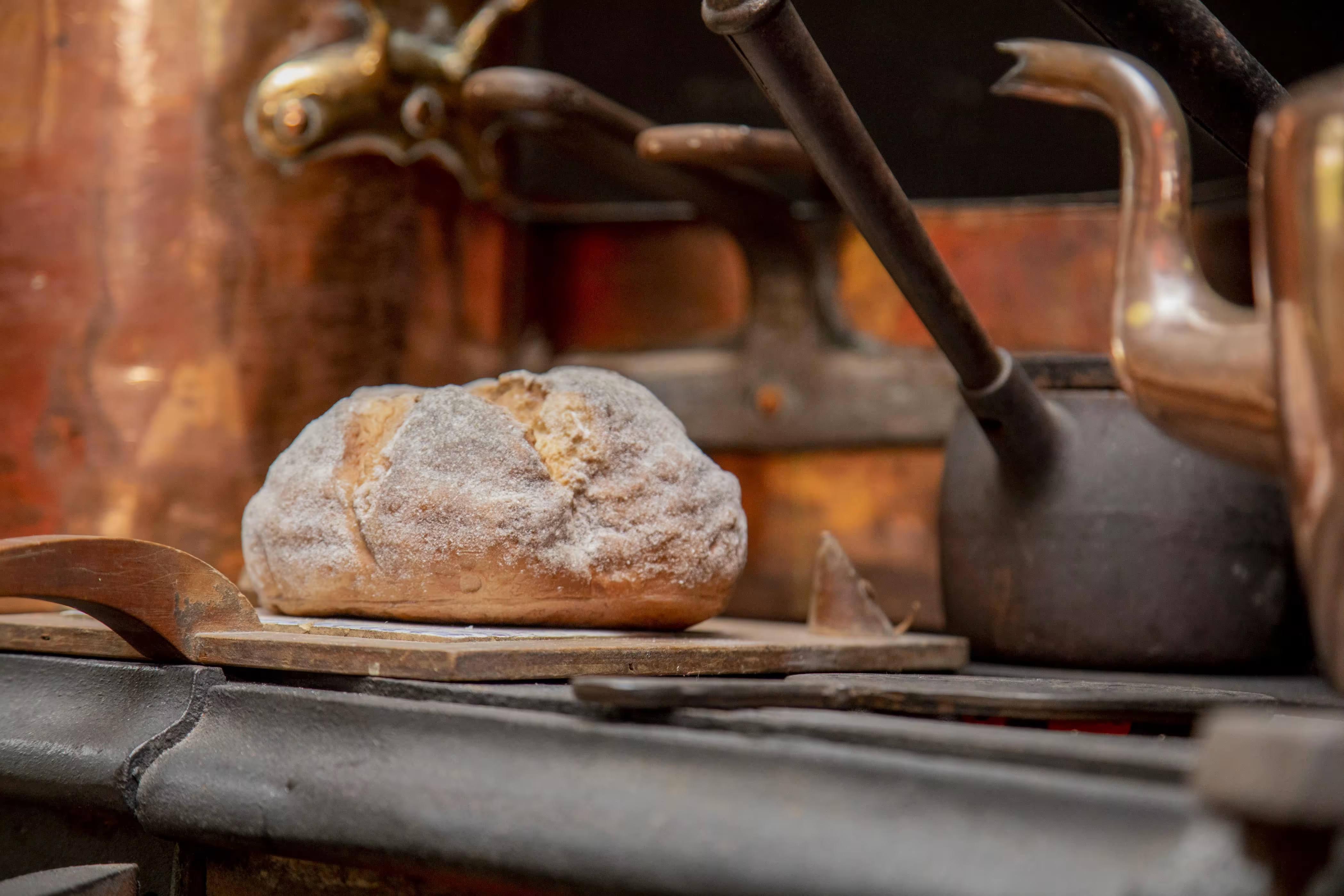
Fingal’s heritage properties or “the Big Houses” such as Malahide Castle, Ardgillan Castle and Newbridge have an association with the counties food heritage that goes beyond fine dining rooms and elaborate recipes. The story of food at the Big Houses offers an insight not only into what previous generations of the households there were eating, but also the role in historic houses and demesnes played in food production in Fingal, and the associated social history of the people that worked in them.
Join curator Cathal Dowd-Smith for a unique insight into the food heritage of Newbridge House Demesne in the video below.
Join Head Gardener Dominica McKevitt and local historian Dr Cora McDonagh in the walled gardens of Ardgillan Castle in the video below.
